

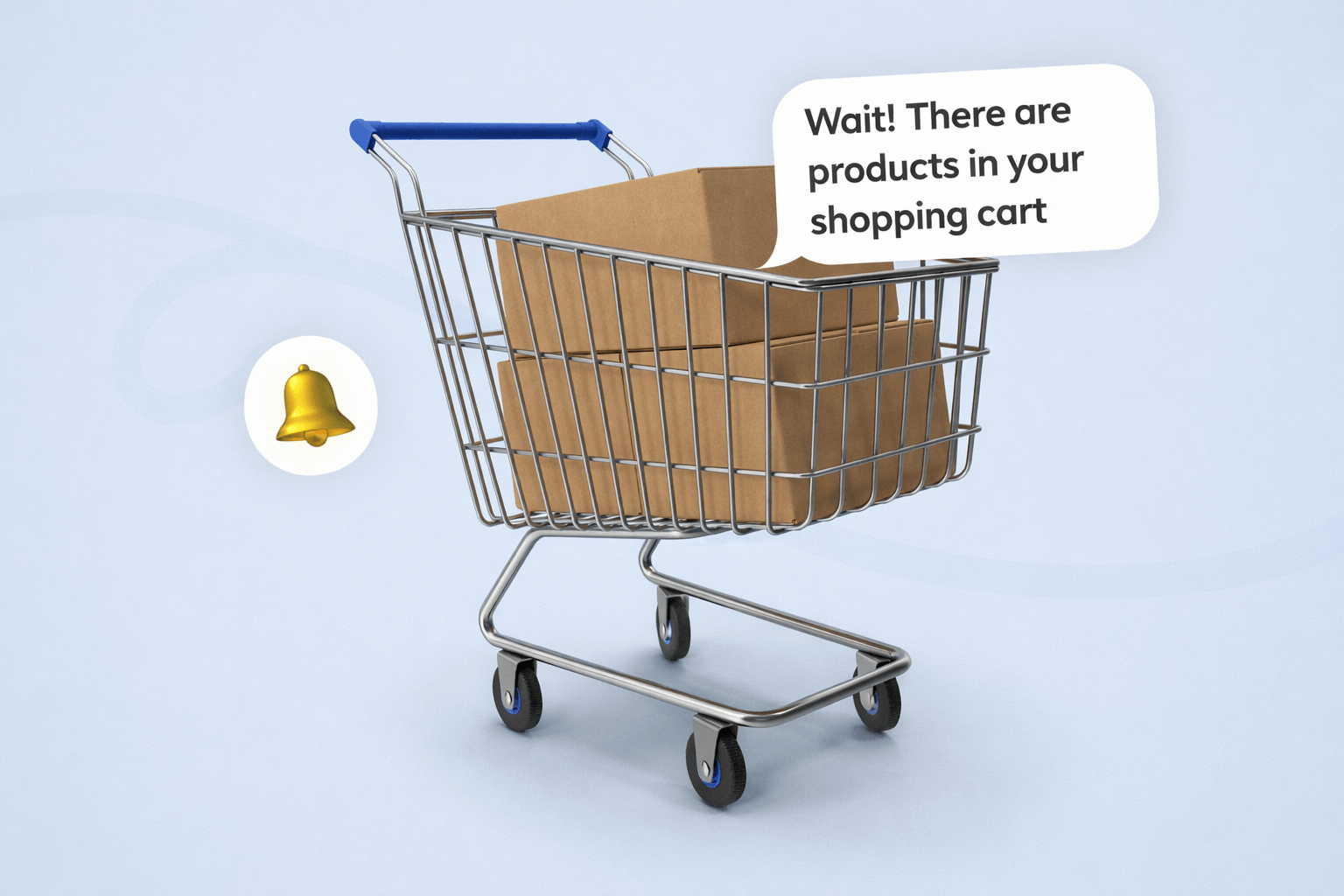
The holiday season is one of the most profitable — and competitive — times of the year for e-commerce brands. Traffic spikes, buying intent is high, and shoppers are actively searching for gifts. But with that opportunity comes a challenge: cart abandonment rates increase dramatically during the holidays.
That’s where retargeting ads become one of the most powerful tools in your paid media strategy.
Instead of letting high-intent shoppers disappear, holiday retargeting allows you to re-engage users who already showed interest, bringing them back at the exact moment they’re most likely to convert.
Below, we’ll break down how to use retargeting ads strategically during the holidays to recover abandoned carts, protect revenue, and maximize ROAS.
Why Cart Abandonment Increases During the Holidays
Holiday shoppers behave differently than they do the rest of the year. Common reasons for abandonment include:
- Comparing prices across multiple brands
- Getting distracted by promotions and emails
- Hesitating over shipping deadlines
- Leaving carts open while waiting for better offers
During peak periods like Black Friday, Cyber Monday, and the weeks leading up to Christmas, abandonment isn’t a failure — it’s expected. The brands that win are the ones that follow up intelligently.
Why Retargeting Ads Matter More During Q4
Unlike cold traffic campaigns, retargeting ads focus on users who already demonstrated intent. These shoppers:
- Viewed products
- Added items to cart
- Initiated checkout
This makes retargeting one of the highest-converting and most cost-efficient ad strategies, especially during high-volume holiday traffic periods.
When layered correctly, retargeting helps:
- Recover lost revenue
- Shorten decision cycles
- Reinforce urgency and trust
Segment Your Retargeting Audiences by Intent
One of the biggest mistakes brands make is lumping all visitors into a single retargeting audience. Holiday performance improves significantly when audiences are segmented by behavior.
High-performing segments include:
- Product viewers (no cart): Focus on education, social proof, and benefits
- Add-to-cart users: Highlight urgency, stock levels, or free shipping
- Checkout abandoners: Address friction like shipping costs, delivery timing, or returns
Higher intent users should receive shorter retargeting windows and stronger calls-to-action, while lower intent audiences need reassurance and repetition.
Use Dynamic Product Retargeting Ads
Dynamic retargeting is essential during the holidays. These ads automatically show users the exact products they left behind, reducing friction and decision fatigue.
Best practices for holiday dynamic ads:
- Show product image, name, and price
- Send traffic directly back to cart or checkout
- Include holiday-specific messaging like “Limited Stock” or “Arrives Before Christmas”
Dynamic ads work especially well on Meta and Google Display, and they pair seamlessly with broader holiday strategies like those outlined in
Maximizing ROI on Holiday Google Ads Campaigns.
Time Your Retargeting Aggressively (But Intentionally)
Holiday shoppers move quickly. Your retargeting cadence should reflect that urgency without overwhelming users.
A proven timing framework:
- 1–3 hours post-abandonment: Gentle reminder
- 24 hours: Urgency or reassurance
- 48–72 hours: Incentive or final reminder
Retargeting ads should work alongside email and SMS, not replace them. For brands looking to stay visible without overspending, layering paid retargeting with organic efforts is especially effective, as outlined in
What Is the Best Free Way to Advertise Your Business During the Holidays.
Lean Into Holiday-Specific Messaging
Generic retargeting ads often underperform during Q4. Shoppers expect context, urgency, and clarity.
High-converting holiday messaging includes:
- Shipping cutoff reminders
- Gift-focused language (“Perfect gift, no guesswork”)
- Scarcity (“Selling out fast”)
- Value adds like free shipping or bonus gifts
Industry data supports this approach. According to Anstrex’s breakdown of Q4 advertising trends, layering urgency with clear incentives significantly improves re-engagement rates during crowded holiday campaigns
(Anstrex: Capitalizing on Q4 Ad Overload).
Control Frequency and Refresh Creative Often
During the holidays, ad fatigue happens faster. Shoppers are exposed to hundreds of promotions per day.
To protect performance:
- Cap frequency tightly
- Refresh creative weekly
- Rotate copy angles (urgency, gifting, reassurance)
Retargeting ads should feel helpful, not pushy.
Optimize the Post-Click Experience
Even the best retargeting ads won’t convert if the checkout experience is broken.
Before scaling holiday retargeting, ensure:
- Fast page load speeds
- Mobile-optimized checkout
- Clear shipping timelines
- Visible trust signals (reviews, guarantees, returns)
If users return and face the same friction that caused abandonment initially, recovery rates will stall. This aligns closely with the strategies outlined in
Stop Losing Website Traffic: Proven Strategies to Win Back Your Visitors.
Support Retargeting With Behavioral Insights
Advanced retargeting strategies go beyond ads alone. Platforms like Persado highlight how personalization and behavioral messaging can significantly increase cart recovery when paired with paid media
(Persado: Abandoned Cart Retargeting).
Additionally, Karl Mission outlines how simplifying checkout paths and aligning messaging with user intent helps recover more abandoned carts
(Karl Mission: Abandoned Cart Recovery Strategies).
Key Takeaways for Holiday Retargeting Success
- Cart abandonment increases during the holidays, but recovery potential increases too
- Retargeting ads deliver the highest ROI when segmented by intent
- Dynamic product ads outperform generic creatives
- Timing, urgency, and messaging matter more in Q4
- Checkout experience determines whether retargeting actually converts

Kylee is passionate about health and runs an online fitness and nutrition coaching business called Incinerate Training where she helps women to feel confident in their reflection again through lifestyle changes. She also runs a self development podcast called the Believing & Achieving podcast where she interviews experts and learns from their expertise.
