


In this post, you’ll learn:
- The importance of a marketing funnel
- How to understand your audience
- Creating content for each stage of the funnel
- Using automation and analytics to optimize your funnel
- Additional tips for ensuring your funnel’s success
Creating a marketing funnel is crucial for guiding potential customers from awareness to conversion. In this guide, we’ll break down the process into actionable steps, ensuring that your marketing efforts yield the best possible results.
What is a Marketing Funnel?
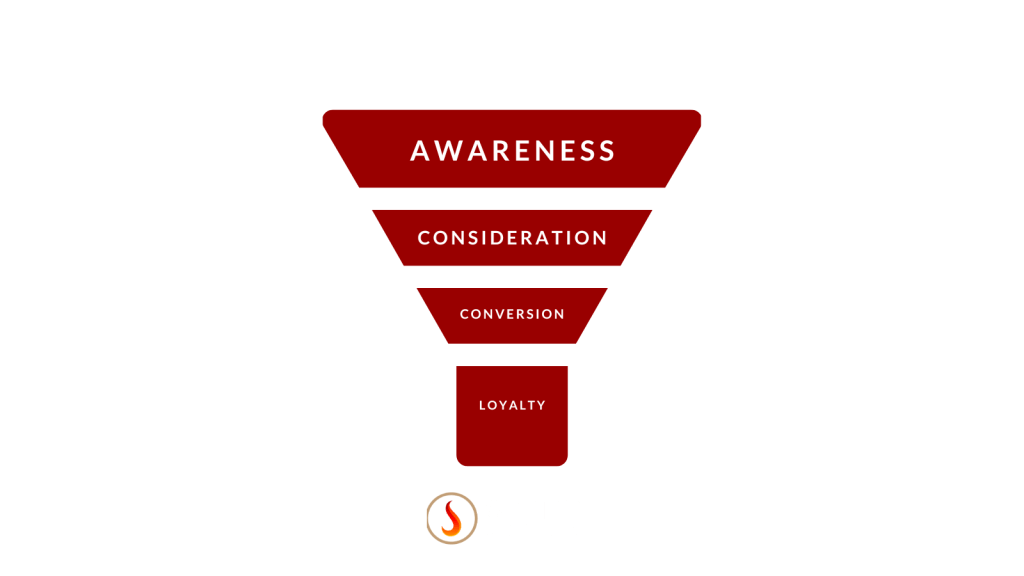
A marketing funnel is a visual representation of the customer journey, from the moment they become aware of your product to the final purchase decision. Each stage of the funnel—awareness, consideration, and decision—requires a different approach to move prospects closer to conversion.
Why does this matter? Imagine you’re running a lemonade stand. People walking by notice it, some stop to ask questions, but only a few buy a glass. A marketing funnel maximizes the number of people who progress from just noticing your business to becoming paying customers.
The Stages of a Marketing Funnel
Before diving into the steps to create your funnel, it’s essential to understand the different stages:
- Awareness: The top of the funnel (TOFU) is where potential customers first learn about your brand. They might not be ready to buy, but they’re starting to explore their options.
- Consideration: The middle of the funnel (MOFU) is where prospects evaluate whether your product or service meets their needs. They compare alternatives and look for more detailed information.
- Decision: The bottom of the funnel (BOFU) is where prospects are ready to make a purchase. They need that final push—such as a compelling offer or testimonial—to convert.
Step 1: Understand Your Audience
Before you can create an effective marketing funnel, you need to understand your audience. According to a study by HubSpot, 61% of marketers believe generating traffic and leads is their top challenge. This difficulty often stems from a lack of understanding of the target audience.

How to Understand Your Audience:
- Create Buyer Personas: Develop detailed profiles of your ideal customers, including their demographics, pain points, and goals. For example, if you’re selling fitness products, your buyer personas might include “Fitness Enthusiast Emma” who is always on the lookout for new workout gear and “Busy Professional Ben” who needs quick and effective fitness solutions.
- Conduct Market Research: Use surveys, interviews, and analytics to gather data on your target audience’s behavior and preferences. Tools like Google Analytics and social media insights can help you identify patterns in how your audience interacts with your content.
- Analyze Competitors: Study your competitors to understand what’s working for them and how you can differentiate your approach. For instance, if a competitor is successfully using video content to engage their audience, consider how you can create unique videos that stand out.
Why it works: When you know who your audience is, you can attract the right people to your funnel and create content that resonates with them at each stage.
For more details on how to create effective buyer personas, check out this guide from HubSpot
Step 2: Craft the Right Content for Each Stage of the Funnel
Content is the backbone of any marketing funnel. According to Demand Gen Report, 47% of buyers viewed three to five pieces of content before engaging with a sales rep. This highlights the importance of creating the right content for each stage of the funnel.
Content Strategy by Funnel Stage:
- Top of the Funnel (Awareness): Attract potential customers with blog posts, social media content, and videos that address their pain points and introduce your brand. For instance, a blog post titled “10 Common Fitness Mistakes and How to Avoid Them” can draw in readers who are new to working out.
For more insights on creating effective social media ads, check out this guide on What Makes a Good Facebook Ad.
- Middle of the Funnel (Consideration): Engage leads with more detailed content such as case studies, webinars, and eBooks that showcase the value of your product or service. A webinar on “Maximizing Your Workout with Minimal Equipment” could appeal to those who are considering purchasing your fitness products but need more information.
To learn more about writing compelling digital ad copy that resonates with your audience, explore this article on How to Write Digital Advertising Copy.
- Bottom of the Funnel (Decision): Convert leads with persuasive content like testimonials, product demos, and free trials that make it easy for them to decide to purchase. Offering a free trial or a limited-time discount on your fitness app can push hesitant leads to make a decision.
Tips for Effective Content Creation:
- Use Storytelling: Incorporate storytelling into your content to make it more relatable and engaging. Share success stories of customers who have benefited from your products or services.
- Optimize for SEO: Ensure your content is optimized for search engines to attract organic traffic. Use relevant keywords, meta descriptions, and alt tags to improve visibility.
- Repurpose Content: Don’t just create content; repurpose it. Turn a popular blog post into an infographic or a podcast episode to reach different segments of your audience.
Pro Tip: Aligning your content strategy with the customer’s journey ensures that your messaging is relevant and compelling at every stage.
Step 3: Leverage Automation and Analytics to Optimize the Funnel
Creating a marketing funnel is not a one-time effort; it requires continuous optimization. Marketing automation and analytics are essential tools for this. According to Invesp, businesses that use marketing automation to nurture prospects experience a 451% increase in qualified leads.

How to Use Automation and Analytics:
- Marketing Automation: Implement tools like email marketing automation, CRM systems, and lead scoring to streamline your funnel and deliver personalized experiences to leads. For example, an automated email campaign can send personalized workout tips based on the user’s fitness goals, keeping them engaged with your brand.
- Analytics and A/B Testing: Use analytics to track key metrics such as conversion rates, bounce rates, and customer lifetime value. Conduct A/B testing on various funnel elements (e.g., headlines, CTAs, landing pages) to identify what works best. For instance, you might test two different headlines for your landing page to see which one results in more sign-ups.
For more tips on running successful Facebook ads, take a look at this post on 4 Key Principles for Running Facebook Ads.
- Monitor Customer Feedback: Use tools like surveys and customer feedback forms to gather insights on how your funnel is performing. Understanding what customers liked or disliked can help you refine your approach.
Why it matters: Leveraging automation and analytics helps you optimize your funnel and scale your efforts, ensuring it remains effective as your business grows.
Step 4: Additional Tips for Ensuring Your Funnel’s Success
While the core steps outlined above are critical, there are additional strategies you can employ to further enhance your funnel’s performance.
Use Social Proof
Incorporate social proof, such as customer reviews, testimonials, and case studies, throughout your funnel. According to a study by Nielsen, 92% of consumers trust recommendations from people over brands. Displaying testimonials prominently on your landing pages or in marketing emails can boost credibility and conversion rates.
Create a Sense of Urgency
Adding urgency to your offers can motivate leads to take action sooner rather than later. For example, use phrases like “Limited Time Offer” or “Only 3 Spots Left” in your CTAs to encourage immediate action.
Offer Post-Purchase Engagement
Your marketing funnel shouldn’t end at the purchase. Continue engaging customers after they’ve bought from you by offering them valuable content, upsell opportunities, and loyalty programs. A satisfied customer is more likely to become a repeat buyer and refer others to your business.
Conclusion: Building a Funnel That Converts
Creating a marketing funnel requires a deep understanding of your audience, a well-thought-out content strategy, and the use of automation and analytics for continuous improvement. When done correctly, a marketing funnel can significantly boost your lead generation efforts and conversion rates, turning casual visitors into loyal customers.
Remember: The success of your marketing funnel lies in its ability to meet the needs of your audience at every stage of their journey. By following the steps outlined in this guide, you’ll be well on your way to creating a marketing funnel that not only attracts but also retains and converts customers.
By implementing these strategies, you’ll create a marketing funnel that guides your audience smoothly through their journey and drives meaningful business results.

Kylee is passionate about health and runs an online fitness and nutrition coaching business called Incinerate Training where she helps women to feel confident in their reflection again through lifestyle changes. She also runs a self development podcast called the Believing & Achieving podcast where she interviews experts and learns from their expertise.
