


Paid social media has become an essential tool for businesses looking to improve their brand awareness and reach a targeted audience. It involves using platforms like Facebook, Instagram, LinkedIn, and TikTok to deliver advertisements directly to users who are most likely to be interested in a business’s products or services. This strategy allows companies to bypass the natural limitations of organic reach, ensuring their message is seen by a broader and highly targeted audience. By investing in paid social media, businesses can effectively boost their presence, engage potential customers, and drive meaningful conversions.
For those seeking to understand the basics quickly:
- Paid social media ads are targeted, unlike organic posts.
- Great for increasing brand awareness and reaching new audiences.
- These ads can appear as images, videos, or native forms.

What is Paid Social Media?
Paid social media refers to the practice of using social media platforms to deliver targeted advertising content to specific audiences. Unlike organic posts, which are shared freely and rely on algorithms for reach, paid social ads are purchased to ensure visibility among chosen demographics.
Definition
In simple terms, paid social media is when businesses pay to have their content displayed to a specific audience on platforms like Facebook, Instagram, LinkedIn, and TikTok. These ads are often marked with tags like “Sponsored” or “Promotion” to differentiate them from organic content. The primary goal is to increase visibility and engagement among users who are likely to be interested in the advertised products or services.
Targeted Advertising
One of the standout features of paid social media is its ability to target advertisements with precision. Unlike traditional advertising methods, where reach is broad and often untargeted, paid social ads can be directed based on factors like age, location, interests, and even online behavior. This means businesses can tailor their marketing efforts to reach the people who are most likely to convert, maximizing their return on investment (ROI).
For example, a company selling hiking gear can target their ads towards outdoor enthusiasts in specific geographic regions. This level of targeting ensures that advertising budgets are spent efficiently, reaching the right people at the right time.
Sponsored Content
Sponsored content is a type of paid social media where businesses pay to promote their posts, making them appear more frequently in users’ feeds. These posts blend seamlessly with organic content, often leading to higher engagement rates because they don’t disrupt the user’s browsing experience.

A great example of this is Instagram’s “Sponsored” posts, where businesses can boost the visibility of their regular posts to reach a wider audience. This approach is particularly effective for increasing brand awareness and driving traffic to specific products or promotions.
By leveraging paid social media, businesses can overcome the limitations of organic reach and ensure their message is seen by a larger, more relevant audience. This not only improves brand visibility but also fosters greater engagement and conversion opportunities.
Benefits of Paid Social Media
Paid social media offers numerous benefits that can significantly improve a business’s marketing efforts. Let’s explore some of the key advantages:
Brand Awareness
One of the primary benefits of paid social media is its ability to boost brand awareness. By using platforms like Instagram, Facebook, and LinkedIn, businesses can place their brand in front of a large audience. This is especially beneficial for new or expanding brands looking to make a mark in a crowded market.
For instance, a company can use image ads to showcase its products to users who might not have heard of the brand before. This increased visibility helps establish a brand presence and makes it more recognizable to potential customers.
Audience Targeting
Paid social media excels in its ability to target specific audiences. Unlike traditional advertising, which casts a wide net, paid social allows businesses to hone in on their ideal customer. Advertisers can target users based on demographics, interests, behaviors, and even past interactions with the brand.
For example, a local bakery can target ads to people within a 5-mile radius who have shown interest in baking or desserts. This precise targeting ensures that marketing efforts are directed at those most likely to engage with the brand, increasing the efficiency of ad spend.
Engagement
Engagement is crucial for building relationships with customers, and paid social media can significantly improve this aspect. By promoting engaging content such as videos or interactive posts, businesses can encourage likes, shares, comments, and other interactions.
Video ads, in particular, are highly effective in capturing attention. They allow brands to convey messages in an engaging and memorable way, making it easier to connect with the audience. A technology company, for instance, might use video ads to demonstrate product features, sparking interest and interaction.
Conversions
The goal of most advertising is to drive conversions, whether that means sales, sign-ups, or another desired action. Paid social media is a powerful tool for achieving these outcomes. With the ability to create compelling calls to action (CTAs) and direct users to specific landing pages, businesses can guide potential customers through the conversion funnel.
A study by eMarketer highlighted that businesses using paid social ads often see a significant increase in conversion rates compared to organic efforts alone. By strategically using paid ads, brands can boost their sales and achieve their business objectives more effectively.
By leveraging the benefits of paid social media, businesses can improve their visibility, engage with target audiences, and drive meaningful conversions. This targeted approach ensures that marketing efforts are not only seen but also acted upon by the right people.
Types of Paid Social Media Ads
When it comes to paid social media, there are several types of ads that businesses can use to achieve their marketing goals. Each type has its strengths and can be custom to fit different strategies and audiences. Let’s explore some of the most popular formats:
Image Ads
Image ads are straightforward yet powerful. They typically include a single image, some text, and a call to action (CTA). These ads are perfect for promoting products, services, or events in a visually appealing way.
For instance, Toronto Dominion (TD) uses image ads on LinkedIn to promote their banking services. The simplicity of image ads makes them versatile and easy to create, allowing businesses to quickly capture the attention of their audience.
Video Ads
Video ads are highly engaging and can convey a message more dynamically than static images. They are ideal for storytelling and showcasing products in action. Video ads can be used across various platforms, including Instagram and TikTok, where they seamlessly integrate into users’ feeds.
Take the example of Scribe, a technology company that uses video ads on Instagram to highlight their software’s features. This format is effective in capturing users’ attention and encouraging them to learn more about the product.
Native Advertising
Native ads blend in with the organic content on social media platforms, making them less intrusive and more appealing to users. These ads appear in users’ feeds and mimic the style and format of regular posts, enhancing user experience while still promoting a brand.
For example, a clothing brand might use native advertising to showcase a new clothing line, making the ad look like a regular post from a fashion influencer. This seamless integration increases the likelihood of user engagement and interest.
Influencer Marketing
Influencer marketing leverages the reach and credibility of social media influencers to promote products or services. Influencers can create content that highlights a brand in an authentic way, often resulting in higher engagement and trust from their followers.
For example, an influencer might post about a skincare product they genuinely love, including a link or promo code for their followers to purchase it. This approach not only drives sales but also builds brand credibility through trusted voices.
By understanding and utilizing these different types of paid social media ads, businesses can effectively target their audience, boost engagement, and drive conversions. Each ad type offers unique advantages, allowing brands to tailor their campaigns to meet specific marketing objectives.
Platforms for Running Paid Social Campaigns
When it comes to paid social media, choosing the right platform is crucial. Each platform offers unique features, audiences, and ad formats. Let’s explore some of the most popular platforms for running paid social campaigns:
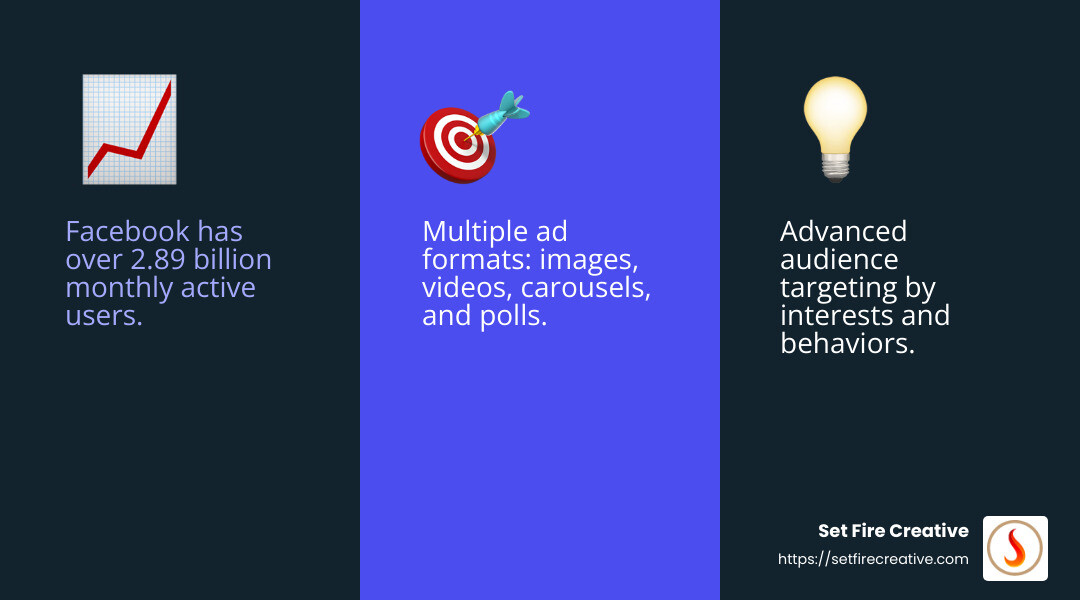
Facebook is a powerhouse in the social media advertising world, with its vast user base and sophisticated targeting options. Businesses can choose from a variety of ad formats, including images, videos, carousels, and polls. Facebook’s advanced audience targeting allows advertisers to reach users based on interests, demographics, and behaviors, making it ideal for increasing brand awareness and driving traffic to websites.
Instagram is perfect for creating visually appealing and immersive ad campaigns. Ads can appear in feeds, Stories, Reels, and the Explore page, offering multiple opportunities to engage users. Instagram’s e-commerce features, like Instagram Shopping, allow businesses to tag products directly in posts and stories, making it easy for users to purchase. This platform is especially effective for fashion, beauty, and lifestyle brands.
LinkedIn is the go-to platform for B2B marketing and professional networking. With over 950 million professionals, it’s perfect for targeting decision-makers and industry experts. LinkedIn offers ad formats like in-feed ads, sponsored messages, and dynamic ads. Businesses can target audiences based on job title, industry, and company size, making it highly effective for lead generation and building professional relationships.
TikTok
TikTok is a rapidly growing platform, known for its young and highly engaged audience. The short-form video format allows businesses to create creative and entertaining ads that can quickly go viral. TikTok’s algorithm prioritizes engaging content, making it a great platform for storytelling and brand identity building. It’s particularly effective for reaching younger demographics and driving product sales.
X (formerly Twitter)
X, formerly known as Twitter, is a platform that excels in real-time engagement and conversation. Businesses can use promoted tweets, trends, and accounts to reach their audience. X is ideal for sharing timely updates, engaging with customers, and driving website traffic. It’s a valuable platform for businesses looking to build brand awareness and engage in conversations with their audience.
Each of these platforms offers unique advantages and opportunities for businesses to connect with their target audience. By understanding the strengths and features of each platform, businesses can effectively plan and execute their paid social media campaigns.
How to Develop an Effective Paid Social Media Strategy
Creating a successful paid social media strategy involves more than just picking a platform and running ads. Let’s break down the essential steps to craft a strategy that delivers results:
Set Clear Goals
Before you start, know what you want to achieve. Are you aiming to increase brand awareness, drive traffic to your website, or boost sales? Clear goals give your campaigns direction and help measure success. For instance, if your goal is to increase engagement, focus on metrics like likes, shares, and comments.
Understand Your Audience
Knowing your audience is key to targeting the right people. Research their demographics, interests, and online habits. Use tools like Facebook’s Audience Insights or Semrush’s Audience Intelligence to gather data. The more you know about your audience, the better you can tailor your ads to resonate with them.
Set an Ad Budget
Your budget impacts how many people see your ads. Start with a small budget and scale up as you see results. Consider factors like the platform you’re using, the competitiveness of your industry, and the duration of your campaign. It’s not just about spending more, but spending smart.
Use Retargeting
Retargeting helps you reach users who have already interacted with your brand. This could be someone who visited your website but didn’t make a purchase. By showing them custom ads, you stay top-of-mind and increase the chance of conversion. Platforms like Facebook and Instagram offer retargeting options through tools like the Facebook Pixel.
Leverage Analytics
Analytics are your best friend in understanding how well your ads are performing. Use platform analytics to track metrics like reach, engagement, and conversion rates. Are your ads meeting your goals? If not, adjust your strategy. Tools like Sprout Social provide deeper insights and help optimize future campaigns.
By setting clear goals, understanding your audience, managing your budget, using retargeting, and analyzing your results, you can create a paid social media strategy that drives success. Now, let’s move on to some frequently asked questions about this dynamic field.
Frequently Asked Questions about Paid Social Media
What is an example of a paid social strategy?
A paid social media strategy can vary based on platform and business goals. For instance, on Instagram, a business might run targeted image ads to showcase new products to a specific audience segment. By using Instagram’s detailed targeting options, they can reach users based on interests, behaviors, and demographics.
On LinkedIn, a company might use sponsored content to share thought leadership articles, aiming to engage professionals in their industry and drive traffic to their website. LinkedIn’s targeting features allow businesses to reach users by job title, company size, and industry, making it ideal for B2B marketing.
For TikTok, brands often leverage video ads to create engaging, creative content that aligns with trending topics. TikTok’s unique algorithm helps ads reach users who are likely to be interested in the content, increasing the chances of virality and engagement.
Which social media platform pays money?
Platforms like YouTube, TikTok, and Facebook offer monetization opportunities for creators. YouTube allows creators to earn revenue through ads displayed on their videos. Creators on TikTok can earn through the Creator Fund, which pays based on video performance and engagement.
Facebook offers monetization options through in-stream ads and fan subscriptions, allowing creators to earn money from their content. Each platform has specific eligibility requirements and payout structures, so it’s important to understand these before diving in.
What is the difference between paid social and organic posts?
Paid social media involves businesses paying to promote content to a targeted audience. These ads are marked as “sponsored” or “promoted” and can reach users beyond a brand’s organic followers.
In contrast, organic posts are free to share and primarily reach a brand’s existing followers. These posts rely on social media algorithms to gain additional visibility, which can be limited compared to paid content.
A hybrid approach is often used, where businesses identify high-performing organic posts and convert them into boosted posts. Boosting allows these posts to reach a wider audience by paying for increased visibility, blending the benefits of organic engagement with the reach of paid promotion.
By understanding these differences, businesses can effectively use both strategies to build brand awareness and drive engagement.
Conclusion
In digital marketing, paid social media is a powerful tool that helps businesses reach new audiences and tell their brand stories effectively. At Set Fire Creative, we specialize in changing business narratives into compelling digital content, allowing our clients to focus on what they do best.
Brand storytelling is at the heart of what we do. Every business has a unique story, and our mission is to help you share it with the world. By leveraging the power of paid social media, we can amplify your message and connect with your audience in meaningful ways.
Our approach is simple: we combine creativity with strategy. This means crafting engaging ads that not only capture attention but also drive action. Whether you’re looking to increase brand awareness, boost engagement, or drive conversions, our team is here to guide you every step of the way.
As we look to the future, the landscape of digital marketing continues to evolve. With platforms like Facebook, Instagram, LinkedIn, and TikTok constantly updating their features, staying ahead of the curve is crucial. At Set Fire Creative, we’re committed to keeping your brand at the forefront of these changes, ensuring your story is heard loud and clear.
In conclusion, paid social media is more than just advertising—it’s a way to connect with your audience and share your brand’s unique story. Let us help you set fire to your digital marketing efforts and watch your business grow.

McCain is the founder and VP of Client Services at Set Fire Creative. When he isn’t busy helping his clients grow their business through digital marketing, you will most likely find him with his nose in a Stephen King book, eating spicy buffalo wings, hanging out with his wife and Blue Heeler Ozzy, or listening to Guns N’ Roses—sometimes all at the same time.
